Blog

  • After 10th: The One Decision That Quietly Decides Your Future, Your Struggles, and the Life You Will One Day Live

    After 10th: The One Decision That Quietly Decides Your Future, Your Struggles, and the Life You Will One Day Live

    Best Career Options After 10th in India 2026: Streams, Salaries, Roadmaps & Smart Choices

    Choosing a career after 10th is a big step — and in 2026, it’s no longer just about picking “doctor or engineer.” The job market now rewards practical skills, AI readiness, and real-world expertise. The good news? You don’t have to follow the crowd

    This guide helps you match your strengths, personality, and goals with the right stream or alternative path so you can start building a high-earning, fulfilling future right now.

    Best Streams After 10th: Which One Fits You?

    After Class 10, most students choose one of three main streams for Class 11 and 12. This decision shapes your career direction, but it should be based on your interests, strengths, and long-term goals—not pressure or trends.

    Each stream opens different opportunities, and none is “better” than the other.

    1. Science (PCM or PCB)

    Pick Science if you have a logical, analytical mind and enjoy understanding how things work at a deeper level. It is the most versatile stream and keeps multiple career options open for the future.

    PCM (Physics, Chemistry, Math) is suitable for students aiming for Engineering, Architecture, Defence technical roles, Data Science, or Aviation.

    It builds strong problem-solving ability and analytical thinking, which are valuable across industries.

    PCB (Physics, Chemistry, Biology) is ideal for Medicine, Pharmacy, Biotechnology, and Research careers.

    It requires strong memory, consistency, and genuine interest in life sciences. Science offers flexibility, but it demands regular effort and conceptual clarity.

    1. Commerce

    Commerce is the right choice if you are comfortable with numbers and interested in business, finance, and money management. It focuses on understanding how companies operate and how financial systems work.

    This stream opens pathways to careers in Finance, Accounting, Business Management, Economics, Stock Markets, and Entrepreneurship.

    It is practical and closely connected to real-world applications.Commerce students can enter high-paying fields like CA, Investment Banking, and Fintech.

    Compared to Science, it often involves less academic pressure while still offering strong earning potential.

    1. Arts & Humanities

    Arts & Humanities is suitable for students who have strong communication skills, creativity, or interest in society and human behavior. It focuses more on ideas, analysis, and expression rather than calculations.

    This stream leads to careers in Law, Psychology, Journalism, Design, Civil Services, Teaching, and Social Work. It offers diverse opportunities, especially in fields that require critical thinking and communication.

    Arts often provides high long-term career satisfaction when chosen based on genuine interest. It is a strong option for students who enjoy reading, writing, and understanding people and society.

    Alternative Career Paths After 10th (Skip or Shorten 12th)

    Not every student wants to continue with traditional schooling for two more years. There are practical alternatives that focus on skills and allow earlier entry into the workforce.

    Polytechnic Diploma

    Polytechnic Diploma is a 3-year program focused on practical, hands-on learning in fields like Mechanical, Civil, Electrical, and Computer Science. It is designed for students who prefer application over theory.

    It provides direct entry into jobs as Junior Engineer or Technician after completion. The curriculum is industry-oriented and prepares students for real technical roles.

    Students also have the option of lateral entry into B.Tech in the second year, making it a flexible and efficient pathway toward engineering careers.

    ITI (Industrial Training Institute)

    ITI offers short-term vocational courses ranging from 6 months to 2 years. It focuses on trades like Electrician, Fitter, Plumber, Welder, and Web Design.

    These courses are designed for quick employment and are ideal for students who want to start earning early. The training is practical and skill-based rather than theoretical.

    ITI is best suited for hands-on learners who prefer working with tools, machines, or technical systems instead of academic study.

    1. Paramedical Courses

    Paramedical courses are diploma programs lasting 1 to 3 years in areas like Medical Lab Technology, Radiology, and Operation Theatre Technology. They are focused on healthcare support roles.

    Students can work in hospitals, clinics, and diagnostic centers after completion. These roles are essential to the healthcare system and offer stable job opportunities.

    With the growing demand in the healthcare sector, paramedical careers are becoming increasingly important and reliable.

    Defence Services (Agniveer Entry)

    Students can join the Indian Armed Forces through the Agnipath scheme as General Duty soldiers or Tradesmen after 10th. It offers a disciplined and structured career path.

    This path combines national service with job security and personal development. It requires commitment, responsibility, and dedication.

    Physical fitness, mental toughness, and strong discipline are essential to succeed in defence careers.

    Minimum Eligibility Requirements (Detailed Explanation)

    Each career path has its own eligibility criteria, but most options after 10th are accessible with basic qualifications.

    For Science, Commerce, and Arts, students must pass 10th from a recognised board. While there is no strict percentage requirement, better marks help in getting preferred streams in good schools.

    ITI courses require a minimum 10th pass, and some technical trades may need basic marks in Mathematics and Science.

    Paramedical diplomas generally require 40–50% aggregate, with preference given to Science background.

    For Defence entry under Agniveer GD, students need at least 45% aggregate and 33% in each subject. Along with academics, physical standards and fitness play a crucial role.

    High-Demand High-Salary Careers in 2026 (Expanded Insight)

    Certain careers in 2026 offer both high salaries and long-term growth due to industry demand and skill requirements.

    Chartered Accountant is one of the most respected professions, with strong demand in taxation, auditing, and finance. Commercial Pilots earn high salaries but require significant investment in training.

    Investment Banking and Data Science are rapidly growing fields that require analytical thinking and specialised skills.

    Software Engineering continues to be one of the most in-demand careers globally.

    A key reality is that skills matter more than degrees.

    A student with strong practical skills can often earn more than someone with only theoretical knowledge.

    Step-by-Step Roadmaps to Top Careers

    To become a Chartered Accountant, students must register with Institute of Chartered Accountants of India after 10th, choose Commerce, and clear Foundation, Intermediate, and Final levels along with articleship training.

    To become a Software Engineer, students can follow two paths. One is through Science (PCM), clearing entrance exams, and completing a B.Tech degree. The other is through a diploma followed by lateral entry into B.Tech.

    To join the Indian Army, students must pass 10th, prepare physically, and apply through Indian Army. Selection includes physical, medical, and written tests followed by training.

    Common Mistakes Students Should Avoid

    Many students make decisions based on friends or social pressure instead of personal interest. This often leads to dissatisfaction later

    Choosing a career only for status, such as be coming doctor or engineer, without understanding the actual work involved is another common mistake.

    Ignoring aptitude and lack of proper research can lead to wrong decisions. Students should focus on their strengths and gather complete information before choosing a path.

    Realistic Expectations vs Common Myths

    There is a common belief that only Science leads to success, but in reality, Commerce and skill-based careers can offer equal or even better opportunities.

    ITI and diploma courses are often misunderstood as options for weak students, but they are actually ideal for those who prefer practical learning and early earning.

    Another myth is that one decision after 10th decides your entire life. In reality, career paths in India are flexible, and students can change direction later.

    Trusted Institutions and Government Support

    Government institutions play a key role in supporting students through scholarships, training, and career opportunities.

    The National Council of Educational Research and Training provides academic support and scholarship programs for deserving students.

    Skill-based training is supported by the Ministry of Skill Development and Entrepreneurship, while defence entry exams for higher roles are conducted by Union Public Service Commission.

    Final Takeaway


    1. Choosing the right stream after 10th is about interest, not pressure—your strengths matter more than trends.
    2. Science offers flexibility, Commerce offers financial career power, and Arts offers creative and analytical careers—all three can lead to high income.

    3. Alternative paths like Diploma, ITI, and Paramedical can help you start earning early and build practical skills faster.
    4. Skills > Degrees in 2026—what you can do matters more than what you studied.

    5. Don’t choose a career based on friends, status, or myths—focus on long-term satisfaction and growth.

    6. Career paths are flexible—you can switch later, so don’t panic about making a “perfect” decision now.

    7. Start early with the right direction, and you’ll gain a huge advantage in skills, confidence, and income over time.

    Government Approved & Trusted Live Links


    • National Council of Educational Research and Training

      https://ncert.nic.in/


      (Official body for school education, syllabus, and scholarships)

    • Ministry of Skill Development and Entrepreneurship

      https://www.msde.gov.in/


      (Government authority for ITI, skill courses, and vocational training)

    • Skill India


      https://www.skillindia.gov.in/


      (Explore skill-based courses and job-oriented programs)

    • Institute of Chartered Accountants of India

      https://www.icai.org/


      (Official registration and information for CA career)

    • Union Public Service Commission


      https://www.upsc.gov.in/


      (Conducts NDA and other national-level exams)

    • Indian Army

      https://joinindianarmy.nic.in/


      (Apply for Agniveer and other defence entries)

    • All India Council for Technical Education

      https://www.aicte-india.org/


      (Regulates technical education like diploma and engineering colleges)

  • After 10th: The One Decision That Quietly Decides Your Future, Your Struggles, and the Life You Will One Day Live

    Best Career Options After 10th in India 2026: Streams, Salaries, Roadmaps & Smart Choices

    Choosing a career after 10th is a big step — and in 2026, it’s no longer just about picking “doctor or engineer.” The job market now rewards practical skills, AI readiness, and real-world expertise. The good news? You don’t have to follow the crowd

    This guide helps you match your strengths, personality, and goals with the right stream or alternative path so you can start building a high-earning, fulfilling future right now.

    Best Streams After 10th: Which One Fits You?

    After Class 10, most students choose one of three main streams for Class 11 and 12. This decision shapes your career direction, but it should be based on your interests, strengths, and long-term goals—not pressure or trends.

    Each stream opens different opportunities, and none is “better” than the other.

    1. Science (PCM or PCB)

    Pick Science if you have a logical, analytical mind and enjoy understanding how things work at a deeper level. It is the most versatile stream and keeps multiple career options open for the future.

    PCM (Physics, Chemistry, Math) is suitable for students aiming for Engineering, Architecture, Defence technical roles, Data Science, or Aviation.

    It builds strong problem-solving ability and analytical thinking, which are valuable across industries.

    PCB (Physics, Chemistry, Biology) is ideal for Medicine, Pharmacy, Biotechnology, and Research careers.

    It requires strong memory, consistency, and genuine interest in life sciences. Science offers flexibility, but it demands regular effort and conceptual clarity.

    1. Commerce

    Commerce is the right choice if you are comfortable with numbers and interested in business, finance, and money management. It focuses on understanding how companies operate and how financial systems work.

    This stream opens pathways to careers in Finance, Accounting, Business Management, Economics, Stock Markets, and Entrepreneurship.

    It is practical and closely connected to real-world applications.Commerce students can enter high-paying fields like CA, Investment Banking, and Fintech.

    Compared to Science, it often involves less academic pressure while still offering strong earning potential.

    1. Arts & Humanities

    Arts & Humanities is suitable for students who have strong communication skills, creativity, or interest in society and human behavior. It focuses more on ideas, analysis, and expression rather than calculations.

    This stream leads to careers in Law, Psychology, Journalism, Design, Civil Services, Teaching, and Social Work. It offers diverse opportunities, especially in fields that require critical thinking and communication.

    Arts often provides high long-term career satisfaction when chosen based on genuine interest. It is a strong option for students who enjoy reading, writing, and understanding people and society.

    Alternative Career Paths After 10th (Skip or Shorten 12th)

    Not every student wants to continue with traditional schooling for two more years. There are practical alternatives that focus on skills and allow earlier entry into the workforce.

    Polytechnic Diploma

    Polytechnic Diploma is a 3-year program focused on practical, hands-on learning in fields like Mechanical, Civil, Electrical, and Computer Science. It is designed for students who prefer application over theory.

    It provides direct entry into jobs as Junior Engineer or Technician after completion. The curriculum is industry-oriented and prepares students for real technical roles.

    Students also have the option of lateral entry into B.Tech in the second year, making it a flexible and efficient pathway toward engineering careers.

    ITI (Industrial Training Institute)

    ITI offers short-term vocational courses ranging from 6 months to 2 years. It focuses on trades like Electrician, Fitter, Plumber, Welder, and Web Design.

    These courses are designed for quick employment and are ideal for students who want to start earning early. The training is practical and skill-based rather than theoretical.

    ITI is best suited for hands-on learners who prefer working with tools, machines, or technical systems instead of academic study.

    1. Paramedical Courses

    Paramedical courses are diploma programs lasting 1 to 3 years in areas like Medical Lab Technology, Radiology, and Operation Theatre Technology. They are focused on healthcare support roles.

    Students can work in hospitals, clinics, and diagnostic centers after completion. These roles are essential to the healthcare system and offer stable job opportunities.

    With the growing demand in the healthcare sector, paramedical careers are becoming increasingly important and reliable.

    Defence Services (Agniveer Entry)

    Students can join the Indian Armed Forces through the Agnipath scheme as General Duty soldiers or Tradesmen after 10th. It offers a disciplined and structured career path.

    This path combines national service with job security and personal development. It requires commitment, responsibility, and dedication.

    Physical fitness, mental toughness, and strong discipline are essential to succeed in defence careers.

    Minimum Eligibility Requirements (Detailed Explanation)

    Each career path has its own eligibility criteria, but most options after 10th are accessible with basic qualifications.

    For Science, Commerce, and Arts, students must pass 10th from a recognised board. While there is no strict percentage requirement, better marks help in getting preferred streams in good schools.

    ITI courses require a minimum 10th pass, and some technical trades may need basic marks in Mathematics and Science.

    Paramedical diplomas generally require 40–50% aggregate, with preference given to Science background.

    For Defence entry under Agniveer GD, students need at least 45% aggregate and 33% in each subject. Along with academics, physical standards and fitness play a crucial role.

    High-Demand High-Salary Careers in 2026 (Expanded Insight)

    Certain careers in 2026 offer both high salaries and long-term growth due to industry demand and skill requirements.

    Chartered Accountant is one of the most respected professions, with strong demand in taxation, auditing, and finance. Commercial Pilots earn high salaries but require significant investment in training.

    Investment Banking and Data Science are rapidly growing fields that require analytical thinking and specialised skills.

    Software Engineering continues to be one of the most in-demand careers globally.

    A key reality is that skills matter more than degrees.

    A student with strong practical skills can often earn more than someone with only theoretical knowledge.

    Step-by-Step Roadmaps to Top Careers

    To become a Chartered Accountant, students must register with Institute of Chartered Accountants of India after 10th, choose Commerce, and clear Foundation, Intermediate, and Final levels along with articleship training.

    To become a Software Engineer, students can follow two paths. One is through Science (PCM), clearing entrance exams, and completing a B.Tech degree. The other is through a diploma followed by lateral entry into B.Tech.

    To join the Indian Army, students must pass 10th, prepare physically, and apply through Indian Army. Selection includes physical, medical, and written tests followed by training.

    Common Mistakes Students Should Avoid

    Many students make decisions based on friends or social pressure instead of personal interest. This often leads to dissatisfaction later

    Choosing a career only for status, such as be coming doctor or engineer, without understanding the actual work involved is another common mistake.

    Ignoring aptitude and lack of proper research can lead to wrong decisions. Students should focus on their strengths and gather complete information before choosing a path.

    Realistic Expectations vs Common Myths

    There is a common belief that only Science leads to success, but in reality, Commerce and skill-based careers can offer equal or even better opportunities.

    ITI and diploma courses are often misunderstood as options for weak students, but they are actually ideal for those who prefer practical learning and early earning.

    Another myth is that one decision after 10th decides your entire life. In reality, career paths in India are flexible, and students can change direction later.

    Trusted Institutions and Government Support

    Government institutions play a key role in supporting students through scholarships, training, and career opportunities.

    The National Council of Educational Research and Training provides academic support and scholarship programs for deserving students.

    Skill-based training is supported by the Ministry of Skill Development and Entrepreneurship, while defence entry exams for higher roles are conducted by Union Public Service Commission.

    Final Takeaway


    1. Choosing the right stream after 10th is about interest, not pressure—your strengths matter more than trends.
    2. Science offers flexibility, Commerce offers financial career power, and Arts offers creative and analytical careers—all three can lead to high income.

    3. Alternative paths like Diploma, ITI, and Paramedical can help you start earning early and build practical skills faster.
    4. Skills > Degrees in 2026—what you can do matters more than what you studied.

    5. Don’t choose a career based on friends, status, or myths—focus on long-term satisfaction and growth.

    6. Career paths are flexible—you can switch later, so don’t panic about making a “perfect” decision now.

    7. Start early with the right direction, and you’ll gain a huge advantage in skills, confidence, and income over time.

    Government Approved & Trusted Live Links


    • National Council of Educational Research and Training

      https://ncert.nic.in/


      (Official body for school education, syllabus, and scholarships)

    • Ministry of Skill Development and Entrepreneurship

      https://www.msde.gov.in/


      (Government authority for ITI, skill courses, and vocational training)

    • Skill India


      https://www.skillindia.gov.in/


      (Explore skill-based courses and job-oriented programs)

    • Institute of Chartered Accountants of India

      https://www.icai.org/


      (Official registration and information for CA career)

    • Union Public Service Commission


      https://www.upsc.gov.in/


      (Conducts NDA and other national-level exams)

    • Indian Army

      https://joinindianarmy.nic.in/


      (Apply for Agniveer and other defence entries)

    • All India Council for Technical Education

      https://www.aicte-india.org/


      (Regulates technical education like diploma and engineering colleges)
  • Loan Apps in India 2026: One Wrong Choice Can Destroy You Choose Carefully Before It Costs You Everything

    Loan Apps in India 2026: One Wrong Choice Can Destroy You Choose Carefully Before It Costs You Everything

    Best Personal Loan Apps in India 2026: Safe, RBI-Compliant Options with Fast Approval

    Loan apps In 2026, digital lending in India has become incredibly efficient — you can get cash in your account within minutes from your phone. But speed and flashy ads can hide high costs or risks if you pick the wrong app. As a financial expert specialising in digital lending, I always tell people: prioritise RBI compliance and transparency over “instant cash” marketing claims.

    This guide gives you a practical, realistic breakdown of the best personal loan apps. You’ll learn exactly who qualifies, the top safe choices, real costs, the exact application steps, and how to avoid traps so you can borrow confidently without regrets.

    Minimum Eligibility Requirements (2026 Standard)

    Every app has slightly different rules, but these are the standard benchmarks across trusted platforms. Age typically ranges from 21 to 60 years, although student-focused apps may allow 18+, while premium lenders like DMI Finance may require 23+. Younger applicants are often seen as higher risk due to limited credit history.

    Income requirements usually start from ₹10,000 per month for apps like KreditBee and go up to ₹25,000+ for larger loans. Higher income improves both approval chances and the interest rate offered, making borrowing cheaper overall.

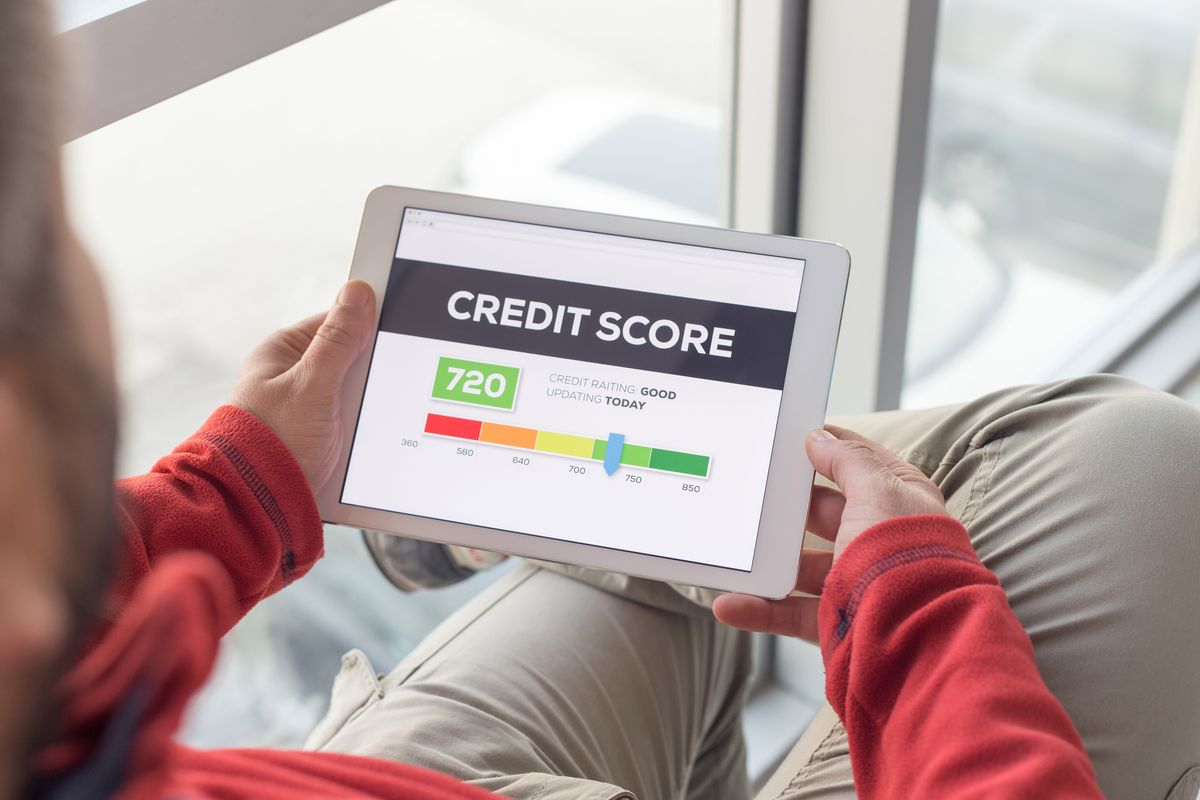
    CIBIL score plays a major role in approval. A score above 750 gets the best rates from Navi, HDFC Bank, or State Bank of India, while mid-range scores work with apps like Moneyview. Lower scores are still accepted by Fibe or Home Credit India but at higher interest rates.

    Top Trusted Loan Apps in India (RBI-Compliant)

    It is important to choose apps backed by Reserve Bank of India-registered NBFCs or banks. These platforms follow proper lending rules and provide transparency through documents like the Key Fact Statement.

    For high CIBIL users and larger loans, apps like Navi, Bajaj Finserv, and HDFC Bank are reliable choices. They offer higher loan amounts with comparatively lower interest rates.

    For faster approvals and lower income requirements, apps like KreditBee, Fibe, and Olyv are widely used. Students can consider mPokket, StuCred, or Tata Capital, while comparison tools like GoCredit help in selecting the best option.

    Interest Rates and Hidden Charges

    Interest rates vary widely depending on your profile. They can start from around 9.9% per annum with apps like Navi and go up to 48% with lenders like Home Credit India. Lower CIBIL scores generally result in higher rates due to increased risk.

    Processing fees are typically between 2% and 5.1% of the loan amount and are deducted before disbursal. Late payment charges include a fixed penalty, percentage-based fees, and GST, which can quickly increase your overall cost if payments are missed.

    Foreclosure charges usually range from 2% to 5%, although some apps may offer zero charges. Many lenders also add optional insurance or service bundles, which increase the total repayment amount. Always check the Key Fact Statement to understand the full cost

    Loan Amount Range and Repayment Tenure

    Loan apps amounts vary significantly depending on the app and your eligibility. Smaller apps like mPokket offer micro-loans starting from ₹500, while larger lenders like Bajaj Finserv provide loans up to ₹40 lakh.

    Repayment tenure depends on the loan size. Short-term loans typically range from 3 to 24 months, while larger loans may extend up to 84 or even 96 months depending on the lender.

    A longer tenure reduces your monthly EMI but increases the total interest paid over time. Choosing the right tenure is important to balance affordability and overall cost.

    Approval Time and Disbursal Speed

    Some apps like Navi and KreditBee offer instant approval within minutes. These platforms use automated systems to evaluate your profile quickly.

    Apps like Moneyview and Olyv generally provide same-day approvals, depending on verification and documentation.

    Traditional lenders such as State Bank of India may take 1–5 days for processing. Even with instant approval, the actual disbursal can take 24–72 hours due to banking systems.

    Step-by-Step Process to Apply Through Apps

    The application process starts with downloading the official app and registering using your Aadhaar-linked mobile number. This ensures secure verification and faster processing.

    You then complete KYC by submitting PAN and Aadhaar details. Once verified, the app shows your eligible loan amount, interest rate, and repayment terms instantly.

    After reviewing the Key Fact Statement, you set up e-Mandate for automatic EMI payments, e-sign the agreement, and receive the loan apps amount in your bank account. Keeping records of the agreement is always recommended.

    Documents Required

    Basic identity verification requires PAN and Aadhaar, which are mandatory for almost all digital lending loan apps. These documents help in completing KYC quickly and securely.

    Income proof is usually provided through bank statements of the last 3–6 months. Some apps may not require salary slips if your account shows consistent income credits.

    Students can apply using a valid college ID or proof of enrollment. Many apps now use digital systems to fetch and verify documents instantly, reducing manual effort.

    How to Compare Different Apps Before Choosing One

    Comparing apps based on EMI alone can be misleading. It is important to look at the effective interest rate, which reflects the real cost of borrowing.

    The Key Fact Statement provides the total repayment amount, including all charges. This is the most accurate way to compare different loan options.

    Processing fees, hidden charges, and your approval chances based on your profile should also be considered. Checking multiple loan apps helps you choose the most cost-effective option.

    Risks Involved and Safety Measures

    Fraudulent apps often ask for upfront fees before approval. Legitimate lenders never require payment before disbursal, so such requests should be avoided.

    Data privacy is another concern. Apps asking for access to contacts, photos, or unnecessary data should not be trusted as they may misuse personal information.

    Scammers may impersonate the Reserve Bank of India or other authorities. Always verify lenders through official sources and ensure proper documentation like the Key Fact Statement is provided.

    Tips to Increase Approval Chances

    Checking your CIBIL score before applying helps you understand your eligibility and avoid unnecessary rejections. A stable income pattern also improves lender confidence.

    Applying to multiple apps at once can negatively impact your profile. It is better to apply selectively and maintain consistency in your financial loan apps records.

    Starting with smaller loans and repaying them on time builds your credit profile. Lenders also consider your FOIR, so keeping existing EMIs low increases approval chances.

    Example Scenarios

    A salaried individual earning ₹30,000 per month can typically get a loan of ₹1–3 lakh through apps like Moneyview or Fibe, depending on credit score and repayment capacity.

    Self-employed individuals may qualify for higher loan amounts if their business shows stable income and consistent cash flow. Lenders evaluate financial records instead of fixed salary.

    Platforms like DMI Finance offer business loans up to ₹25 lakh. The key difference is that business income stability matters more than salary slips.

    Common Mistakes Borrowers Make

    Many borrowers focus only on EMI without considering the total repayment amount. This leads to underestimating the actual cost of the loan.

    Skipping the Key Fact Statement is another common mistake. It contains all charges and terms, and ignoring it can result in unexpected costs later.

    Over-borrowing or applying with incomplete KYC details can lead to rejection or financial stress. Responsible borrowing is essential to avoid long-term issues.

    Realistic Expectations vs Marketing Claims

    Many apps claim guaranteed approval, but in reality, all lenders perform credit and verification checks before approving any loan.

    Zero-interest loans are rare and usually limited to specific short-term offers. Most loans include processing fees or other charges even if interest seems low.

    Claims of instant disbursal within minutes are often exaggerated. While approval may be quick, actual fund transfer usually takes time due to banking processes

    Final Takeaway


    1. Always verify RBI registration before choosing any app

    2. Focus on total repayment, not EMI

    3. Maintain a good CIBIL score for cheaper loans

    4. Compare at least 2–3 apps before applying

    5. Read the Key Fact Statement (KFS) carefully

    6. Avoid apps asking for unnecessary permissions

    7. Borrow only what you can comfortably repay

    8. Use loans as a financial tool — not quick cash

    Government & trusted official links

    Reserve Bank of India – Digital Lending Guidelines
    https://www.rbi.org.in
    Official rules for RBI-compliant loan apps and borrower protection

    Reserve Bank of India – NBFC List
    https://www.rbi.org.in/Scripts/BS_NBFCList.aspx
    Check if the lender behind a loan app is legally registered

    Reserve Bank of India – Sachet Portal
    https://sachet.rbi.org.in
    Report fraud loan apps and illegal lending activities

    TransUnion CIBIL
    https://www.cibil.com
    Check your official CIBIL score before applying for a loan

    Income Tax Department of India
    https://www.incometax.gov.in
    Verify PAN details required for loan applications

    Unique Identification Authority of India
    https://uidai.gov.in
    Access Aadhaar verification and KYC services

    National Payments Corporation of India
    https://www.npci.org.in
    Understand eMandate and auto-debit systems for EMI payments

  • From ₹20,000 Limit to Financial Freedom: The Silent Journey Every Card User Understands

    From ₹20,000 Limit to Financial Freedom: The Silent Journey Every Card User Understands

    How to Increase Your Credit Card Limit in India: Fastest Automatic & Manual Ways (2026 Guide)

    Increase Credit Card Limit India Struggling with a low credit card limit that doesn’t match your spending needs? Good news banks in India actively reward responsible users with higher limits. Whether you hold cards from SBI Card, HDFC Bank, American Express, or others, you can boost your limit through automatic offers or simple manual requests.

    This guide gives you the exact roadmap: who qualifies, proven strategies, bank-specific steps, and mistakes to avoid so you can increase your credit card limit quickly and safely.

    Who Is Eligible for a Credit Card Limit Increase?

    Banks assess eligibility based on their internal risk policy and your documented income. To request an increase manually, you will usually need to submit Form 16, latest ITR, or salary slips from the last two months, along with at least 6–12 months of card history (often called “vintage”) with the bank.

    Even if you meet these requirements, banks also evaluate repayment consistency, your credit score from bureaus like CIBIL, existing obligations such as loans or EMIs, and your spending behavior. If your profile meets these basics, you’re ready to move forward.

    Automatic vs Manual Requests: Which Is Faster?

    The quickest route is an automatic (pre-approved) increase. Banks like SBI Card regularly review spending and payment patterns and send offers via SMS, email, or your monthly statement without requiring any documents.

    Automatic increases require no paperwork, have no impact on your credit score, and are usually processed instantly or within a couple of days based on internal usage data.

    If no automatic offer arrives, you’ll need to request a manual Increase Credit Card Limit India. This requires submitting income proof, may trigger a hard inquiry, and typically takes a few working days. Approval chances improve if your income has increased. Manual requests take slightly longer but work effectively when done correctly.

    Proven Methods to Boost Your Approval Chances

    Banks prefer consistency and responsible usage. Paying all dues on time is the most important factor, as even a single delay reduces approval chances. Regular but controlled spending shows genuine usage of the card, ideally keeping usage around 20–40% of the limit.

    Updating your income with the bank through salary slips, ITR, or bank statements strengthens your case for a higher limit. Additionally, if you already hold a higher limit with another bank like HDFC Bank, mentioning it can improve your chances, as banks often consider existing credit exposure.

    Step-by-Step Guide to Request a Limit Increase

    For SBI Card, you can send an SMS with your card details, check offers online, or submit a request through their official contact channels with income documents for Increase Credit Card Limit India .

    For HDFC Bank, requests can be made via email or by submitting a form at a branch.

    For American Express, you can simply call customer support, and approvals are often based on usage history without additional paperwork.

    Understanding Credit Utilization Ratio (CUR) and Why It Matters

    Credit Utilization Ratio (CUR) is the percentage of your total credit limit that you are using. Ideally, it should remain below 30%, with 10–20% being excellent and anything above 50% considered risky.

    For example, if your limit is ₹1,00,000 and you spend ₹50,000, your CUR is 50%, which is high. If your limit increases to ₹2,00,000 while spending remains the same, your CUR drops to 25%, which is considered healthy. A higher limit directly improves your credit profile by lowering utilization.

    Realistic Expectations: How Much and How Soon?

    Manual increases generally range between 20–50%, while automatic offers can sometimes significantly increase your limit. Timelines vary depending on the issuer.

    For SBI Card, requests are usually processed within a few working days. American Express typically allows requests after six months of usage, and HDFC Bank processes requests within a similar timeframe.

    What RBI Guidelines Mean for You

    Guidelines from the Reserve Bank of India ensure transparency and fairness. Banks must provide clear reasons if a request is rejected, cannot activate over-limit facilities without consent, and must clearly communicate fees and terms. These rules protect cardholders and ensure fair practices.

    Common Mistakes That Can Backfire

    Making multiple requests in a short time can lead to repeated hard inquiries and temporarily lower your credit score. Even a single late payment can significantly impact your chances of approval. Spending beyond your limit may attract penalties and signal financial stress, while not using your card at all reduces the likelihood of receiving an increase.

    How a Limit Increase Affects Your Credit Score

    A higher credit limit generally has a positive impact by lowering your credit utilization ratio and improving your overall credit profile, which can help in loan approvals.

    However, a manual request may cause a small, temporary dip due to a hard inquiry. This effect is short-lived and recovers quickly with responsible usage.

    Busting Myths About Credit Card Limit Increases

    A credit score above 750 improves your chances but does not guarantee approval, as banks also consider income and spending behavior. Using more than 30% of your limit occasionally is acceptable if you repay before the statement date. Having multiple cards does not necessarily increase your limits and may sometimes reduce approval chances if overextended.

    Advanced Tips (Most People Don’t Know)

    Making mid-cycle payments before the statement is generated helps maintain a low utilization ratio. Upgrading to a premium card can unlock higher limits. Maintaining a strong relationship with your bank, such as linking a savings account, improves trust. Using EMI options responsibly can also demonstrate repayment capacity.

    Final Takeaway


    1. Increasing your credit card limit in India is simple when you maintain disciplined payments and smart usage habits.

    2. Automatic offers from banks like SBI Card are the fastest way to get a limit increase without paperwork.

    3. If no offer is available, a manual request with updated income details through banks like HDFC Bank or American Express can still work effectively.

    4. A higher credit limit improves your credit profile by lowering your utilization ratio and strengthening your CIBIL score.

    5. Always use the increased limit responsibly by paying in full and on time to maintain long-term financial health.

    GOVERNMENT TRUSTED LINKS FOR REFERENCE

    1. Reserve Bank of India – Credit Card Guidelines
    https://www.rbi.org.in/Scripts/BS_ViewMasDirections.aspx?id=12300
    Official rules by Reserve Bank of India on credit card issuance, limits, and customer rights

    2. RBI – Credit Card FAQs
    https://www.rbi.org.in/commonman/English/Scripts/FAQs.aspx?Id=156
    Simple FAQ section explaining credit card rules, charges, and usage guidelines

    3. RBI Sachet Portal (Consumer Awareness)
    https://sachet.rbi.org.in/
    Platform to check financial safety and report unauthorized practices in banking and credit

    4. TransUnion CIBIL Official Website
    https://www.cibil.com/
    Check your credit score and understand factors affecting it via CIBIL

    5. Income Tax India (for ITR Proof)
    https://www.incometax.gov.in/
    Official portal to file and download ITR, often required for credit limit increase requests

    6. SBI Card Official Help Page
    https://www.sbicard.com/
    Manage your card, check limit increase offers, and submit requests with SBI Card

    7. HDFC Bank Credit Card Services
    https://www.hdfcbank.com/personal/pay/cards/credit-cards
    Access services, forms, and limit enhancement options from HDFC Bank

  • 18 Years, No Income, Just Dreams: The Heartbreaking Reality of Students in India Struggling Alone to Survive and Succeed

    18 Years, No Income, Just Dreams: The Heartbreaking Reality of Students in India Struggling Alone to Survive and Succeed

    How to Get a Personal Loan as a Student Without Income in India: Complete Guide

    Loan Struggling to fund a laptop repair, certification course, or emergency expense as a student with no steady salary? Getting a personal loan in India without income is challenging but absolutely doable when you know the right paths. Lenders have adapted to student needs through co-applicants, collateral options, and fintech solutions. This guide walks you through the exact eligibility rules, proven methods, step-by-step process, best options, and smart strategies to get approved safely and quickly.

    Minimum Eligibility Requirements

    Meeting these baseline criteria is non-negotiable. The applicant must generally be between 18 to 21 years old, although some lenders prefer a minimum age of 21 due to repayment responsibility. You should be actively enrolled in a recognized college or university in India or abroad, as your academic status plays a key role in approval.

    You must be an Indian citizen with valid identity proof. Basic documents include a College ID card, an Aadhaar card linked to your mobile number for e-KYC, and a PAN card for financial tracking.

    If applying with a co-applicant, additional documents like income proof (salary slips or ITR), recent bank statements, and a good CIBIL score are required.

    Is It Possible Without Income? Here’s Exactly How

    Students without income can still get loans because lenders rely on alternative methods to reduce risk.

    The most effective option is using a co-applicant or guarantor such as a parent or guardian with stable income and a CIBIL score above 700. This improves approval chances, increases loan amount eligibility, and lowers interest rates.

    Another option is using a Fixed Deposit as collateral. You can take a loan of 80% to 100% of the FD value at lower interest rates without needing income proof, making it a safe way to build credit.

    Fintech platforms also offer small instant loans based on your college, course type, and bank activity. These usually range from ₹100 to ₹30,000 and come with higher interest risk.

    Best Personal Loan Options for Students

    Student-focused apps like mPokket, StuCred, and Sahukar offer quick loans ranging from ₹100 to ₹30,000 with approvals in minutes. These are useful for emergencies but can have high penalties if repayment is delayed.

    NBFC and fintech apps such as KreditBee, Fibe, and Pocketly provide higher loan amounts up to ₹5 lakhs. These may require a co-applicant or strong banking history and typically charge moderate to high interest.

    Traditional banks and large NBFCs like Tata Capital, ICICI, and IDFC FIRST are suitable for larger needs. They offer lower interest rates but require proper documentation and a strong co-applicant profile.

    Exact Step-by-Step Application Process

    The loan process is fully digital and usually completed within minutes to 48 hours. It starts with selecting the right lender based on your needs, followed by registration using your Aadhaar-linked mobile number.

    You then complete digital KYC with Aadhaar verification and a selfie. After uploading required documents, the lender evaluates your profile using credit checks and academic data.

    Once approved, you receive a loan offer with details of amount, interest, and tenure. You set up an auto-debit mandate, sign the agreement digitally, and receive funds directly in your bank account.

    Interest Rates, Tenure, and Repayment Structure

    Interest rates vary widely depending on the type of loan. Some student apps offer 0% short-term loans, while secured or co-applicant loans range between 12% and 18%. Unsecured fintech loans can go as high as 38%.

    Loan tenure ranges from 30 to 120 days for short-term loans, 3 to 24 months for medium-term loans, and up to 15 years for bank-based loans.

    Repayment is usually done through EMIs, although some apps allow bullet repayment or flexible options.

    Key Risks and Common Mistakes to Avoid

    Missing even a single EMI can seriously damage your CIBIL score and affect future financial opportunities like credit cards or larger loans.

    Taking new loans to repay old ones can lead to a debt trap, especially with high-interest apps. Hidden charges such as processing fees, penalties, and prepayment costs can increase your overall burden.

    Applying to multiple lenders at once creates too many credit inquiries, which reduces approval chances and negatively impacts your credit score.

    Real-Life Example Scenarios

    In a case without a co-applicant, a student may take a ₹10,000 loan through a student app based on basic KYC and academic profile. These loans are quick but usually come with higher interest.

    With a co-applicant, a student can secure a ₹75,000 loan through a bank or NBFC. The co-applicant’s income and credit score help in getting better interest rates, higher approval chances, and longer repayment tenure.

    Smart Tips for Higher Approval Chances

    Maintaining an active bank account with regular transactions improves your credibility. Avoid applying with a zero-balance account and always choose RBI-registered lenders.

    Start with smaller loans and repay them on time to build a positive credit history. Keep co-applicant documents ready and use EMI calculators to ensure affordability before applying.

    Myths vs Reality About Student Personal Loans

    Many believe “no documents” means no verification, but digital KYC is always required. Another common myth is that student loans do not affect credit scores, whereas in reality every loan is reported to credit bureaus.

    It is also unrealistic to expect instant approval for large amounts like ₹5 lakhs without income or a guarantor. Most students start with smaller limits.

    Additional Insights

    A student’s first loan marks the beginning of their credit history. Timely repayments help build a strong score, which can allow access to credit cards and higher loan limits within 6 to 12 months.

    Alternatives like education loans, BNPL services, scholarships, or family support should also be considered before taking a personal loan.

    It is important to avoid loans for unnecessary expenses or without a clear repayment plan, especially when interest costs outweigh the benefits.

    Final Takeaway


    1. Getting a personal loan without income is possible, but only through smart options like co-applicant, FD-backed loans, or small fintech loans.

    2. Start with a small loan amount and focus on timely repayment to build your credit history safely.

    3. A strong co-applicant significantly increases your approval chances and reduces interest rates.

    4. Always check interest rates, hidden charges, and repayment terms before accepting any loan offer.

    5. Avoid applying to multiple lenders at once, as it can harm your CIBIL score.

    6. Use loans only for important needs, not for lifestyle or unnecessary expenses.

    7. Missing even one EMI can damage your credit score and affect future financial opportunities.

    8. Choose only RBI-regulated lenders or trusted NBFCs to stay safe from scams.

    9. Maintain a stable bank account with regular transactions to improve your eligibility.

    10. Responsible borrowing today helps you unlock bigger financial opportunities in the future.

    Government & Official Financial Links (India)

  • Your First Step to Financial Freedom: How Student Credit Card Can Shape Your Entire Future in 2026

    Your First Step to Financial Freedom: How Student Credit Card Can Shape Your Entire Future in 2026

    How to Get a Student Credit Card in India Without Income: The Complete 2026 Guide

    Getting a credit card as a student in India is easier than most people think — even if you don’t have a steady income or a strong credit history. Banks have created special products exactly for students like you: secured cards backed by a fixed deposit (FD) and add-on cards linked to your parents’ accounts. These options let you build credit, enjoy rewards, and gain financial independence without the usual income barriers.

    In this guide, you’ll discover the exact eligibility rules, the best student-friendly cards available right now, step-by-step application processes, smart usage strategies to reach a 750+ CIBIL score, and the common mistakes that can hurt your financial future. Let’s get you card-ready.

    Eligibility & Minimum Requirements for Student Credit Cards

    You don’t need a job or salary slip to qualify for a student credit card in India. You must be at least 18 years old, though some banks may prefer applicants aged 21+.You also need proof that you’re enrolled in a recognized college or university, usually through a valid college ID or admission letter.

    For documentation, a PAN card is mandatory since it is linked to your credit history, along with an Aadhaar card for address proof. If you’re applying for a secured Student credit card, you’ll need to open a Fixed Deposit of around ₹15,000 to ₹50,000, which determines your credit limit and improves approval chances.

    If you don’t have a PAN card yet, you’ll need to apply for one first. Having a savings account with the same bank can also make the process smoother. Overall, no income proof or previous credit history is required for secured or add-on credit cards.

    Best Types of Credit Cards for Students in India

    Three practical options are designed specifically for students:

    1. Secured Student Credit Cards (FD-backed)

    Secured credit cards (FD-backed) are the safest and most accessible choice, where you place a fixed deposit and receive a Student credit card limit of around 80–100% of that amount while still earning interest. These cards are ideal for beginners because approval is almost guaranteed, there is no income requirement, and they help build credit history from scratch.

    2. Add-on (Supplementary) Cards

    Your parent or guardian adds you to their existing primary credit card. Add-on (supplementary) cards are another simple option where a parent or guardian adds you to their existing credit card. You receive your own card, but the primary cardholder controls the limit and remains responsible for payments. This is useful for learning financial discipline, though your usage directly impacts your parent’s credit profile.

    3. Education Loan-Linked Cards

    Available if you already have an active education loan with the same bank.Education loan-linked cards are available to students who already have an active education loan with a bank. These are often pre-approved, may offer slightly higher limits than secured cards, and sometimes include student-focused benefits. They are best suited for students already engaged with banks through education financing.

    Top Recommended Student Credit Cards Right Now

    Some of the most commonly used student-friendly cards include IDFC FIRST WoW and Kotak 811 #DreamDifferent, which are FD-backed and lifetime free, making them ideal for building credit safely.

    Slice Credit Card and Axis super.money RuPay are unsecured options with easy approval and cashback benefits, especially useful for online spending and UPI transactions.

    SBI Student Plus Advantage is designed specifically for students with an SBI education loan, offering a structured way to access credit. FD-based cards are generally the safest starting point, while unsecured options are easier to get but may require more disciplined usage.

    Fees, Charges, and Real Benefits

    Good news on fees: Almost all the top student cards are Lifetime Free. You pay nothing to get or keep the card.

    Most student credit cards are lifetime free, meaning there are no joining or annual fees. However, interest rates are high if you don’t pay your full bill, typically ranging from 3.5% to 3.99% per month. Cash withdrawals and late payments also attract additional charges, and even a single missed payment can lead to penalties, GST charges, and a drop in your credit score.

    In terms of benefits, you can expect fuel surcharge waivers, basic reward points, and cashback offers on platforms like Amazon, Flipkart, and Swiggy. RuPay cards also provide cashback on UPI transactions. It’s better to focus on simple cashback benefits rather than complex reward systems.

    Practical Steps to Apply and Get Approved Fast

    For secured cards, the process starts with opening a fixed deposit through the bank’s app, followed by selecting the credit card against FD option and completing video KYC. Approval is usually quick and straightforward.

    For add-on cards, the primary cardholder can request one through net banking, and the card is delivered within a few days.

    The KYC process typically involves PAN verification, Aadhaar OTP authentication, and a short video verification. Applying directly through official bank apps is recommended for faster approval and fewer complications.

    How to Build a 750+ CIBIL Score as a Student (Smart Strategy)

    Your first credit card should be used carefully to build a strong credit score. Keeping your spending low, ideally under 30% of your limit, and paying the full amount before the due date are the most important habits. Using the card for small fixed expenses helps maintain consistency without overspending.

    Within three to six months, your credit activity becomes visible, and with disciplined usage, a score in the 700–750 range can be achieved within a year. Paying slightly before the due date or even twice a month can further improve your credit profile.

    Risk Management: Avoid These Common Student Mistakes

    Using a credit card for cash withdrawals is one of the biggest mistakes, as interest starts immediately. Applying for multiple cards at once or spending the full credit limit can negatively affect your credit profile and reduce approval chances in the future.

    Ignoring billing cycles and relying on the minimum due amount are also risky habits. Paying only the minimum leads to long-term debt due to high interest, which can quickly become difficult to manage.

    Expectations vs Reality

    Many students believe that a credit card is free money, but in reality, it is borrowed money that comes with high interest if not managed properly. Easy approval does not mean low responsibility, as even a single mistake can impact your financial future.

    There is also a misconception that a higher credit limit is better, but disciplined usage of a lower limit is far more beneficial for building a strong credit score over time.

    Advanced Insights Most Students Don’t Know

    Credit utilization and payment history are the most important factors in determining your credit score, contributing roughly 30% and 35% respectively. Maintaining low usage and making timely payments consistently are key to long-term financial health.

    Closing your first credit card too early can reduce your credit age, which may negatively impact your score. Banks also monitor your overall behavior, not just payments, making responsible usage essential.

    Final Takeaway


    1. Getting a student credit card in India without income is completely possible

    2. Secured (FD-backed) and add-on cards are the easiest options to start with

    3. Always use your Student credit card for small, manageable expenses only

    4. Keep your credit utilization below 30% of your limit

    5. Pay the full amount before the due date every month

    6. Avoid cash withdrawals and minimum due payments

    7. Stay consistent for 6–12 months to build a strong credit score

    8. A good credit score early will help you get better loans and cards in the future

    Official Government (RBI) Approved Links

    RBI Master Circular on Credit Card Operations https://www.rbi.org.in/commonman/english/scripts/Notification.aspx?Id=1574

    RBI FAQs on Master Direction – Credit Card and Debit Card (Updated 2024) https://www.rbi.org.in/commonperson/english/scripts/FAQs.aspx?Id=3580

    RBI Master Direction on Credit Card & Debit Card Issuance (2022, with amendments) https://www.rbi.org.in/commonman/english/scripts/Notification.aspx?Id=584

    Official FAQs on Master Direction – Credit Card and Debit Card https://www.rbi.org.in/commonperson/english/scripts/FAQs.aspx?Id=3580

  • No Salary, No Problem: How Millions in India Are Quietly Building Their Financial Future in 2026

    No Salary, No Problem: How Millions in India Are Quietly Building Their Financial Future in 2026


    How to Get a Credit Card in India Without a Salary Slip in 2026

    Complete Guide for Students, Freelancers & Self-Employed

    Getting a credit card in India no longer requires a traditional salary slip. Thanks to the fully digital banking ecosystem in 2026, students, freelancers, gig workers, homemakers, and small business owners can easily qualify using fixed deposits, bank statements, ITRs, or family support.

    This guide walks you through every realistic option, exact requirements, step-by-step process, and smart tips to get approved fast — without changing any facts from the latest banking landscape.

    Who Is Eligible for a Credit Card Without a Salary Slip?

    You don’t need a corporate job or fixed salary to qualify. Indian banks now focus on repayment capacity through alternative proofs instead of just salary-based eligibility.

    Students who are 18+ and enrolled in recognized colleges can apply through FD-backed or education-linked cards. Many banks now consider students as future customers, so even a small financial backing or education loan relationship improves approval chances.

    Freelancers and gig workers with irregular income can qualify by showing consistent bank inflows over the last six months. Even if income fluctuates, what matters is regular credit entries and a stable transaction pattern.

    Self-employed individuals and small business owners can apply using ITR filings instead of salary slips. Banks evaluate their declared income, business continuity, and tax compliance, which often works better than a fixed salary in some cases.

    Homemakers can either use add-on cards linked to a family member or apply through secured FD-based cards. Add-on cards are especially useful as they allow building a credit profile without independent income.

    Even cash-income earners without formal records can qualify easily using the Fixed Deposit route, since the FD acts as full security for the bank.

    Minimum Financial Requirements (2026)

    Requirements depend on the type of card you choose, and banks have become more flexible in evaluating financial stability.

    Secured FD-backed cards require a small deposit starting from ₹2,000–₹5,000 and usually don’t need income proof, making approval almost certain. Higher FD amounts directly increase your credit limit and improve your profile over time.

    Entry-level unsecured cards require a monthly income of around ₹15,000–₹25,000 from any source. This can include freelance payments, business income, rental income, or even family-supported deposits, as long as it reflects in your bank account.

    Pre-approved cards are offered to users with strong banking history and consistent account balances over time. Banks track your average monthly balance, transaction frequency, and savings behavior, and may offer cards without any separate application.

    Best Types of Credit Cards Without Salary Proof

    Secured FD-backed cards are the easiest to get and ideal for beginners, as they help build credit from scratch with almost zero rejection risk. They are widely used as the first step into the credit system.

    Add-on cards work well for homemakers and students since they don’t require separate income proof. They also help users learn credit usage under the primary cardholder’s limit and responsibility.

    Student cards are linked to education loans or small deposits and come with lower limits

    approval. These cards are designed to introduce financial discipline early.

    Basic entry-level cards are often lifetime free and suitable for freelancers with stable bank activity. These cards usually have basic rewards and fewer restrictions, making them a good upgrade after FD-based cards.

    Top Credit Cards for Non-Salaried Applicants in 2026

    Some of the easiest options include IDFC FIRST WOW! Credit Card, which is FD-backed and lifetime free with zero forex markup, making it useful even for international usage.

    Axis Bank My Zone Credit Card and Axis Bank Neo Credit Card are simple entry-level options, especially for those who already have a relationship with the bank.

    Kotak 811 DreamDifferent Credit Card offers up to 90% of the FD as credit limit, giving flexibility while keeping risk low.

    SBI Card Student Plus Advantage is suitable for students who already have an education loan or FD with SBI, making approval easier.

    OneCard Secured Credit Card provides a completely digital experience with app-based control, which appeals to younger users.

    AU Bank NOMO Credit Card is known for low FD requirements and competitive forex rates, making it a good entry-level choice.

    How FD-Based (Secured) Credit Cards Actually Work for Salary Credit Card

    A secured credit card works by linking your card to a Fixed Deposit, which acts as collateral and reduces risk for the bank.

    You create an FD with the bank, and the same amount is locked with a lien, meaning you cannot withdraw it while the card is active. Based on this deposit, the bank issues a credit card with a limit that is usually 80–100% of the FD value.

    The FD continues to earn interest during this period, so your money is not idle. At the same time, your card usage and repayments are reported to credit bureaus, helping you build a credit score.

    This system allows even first-time users with no financial history to safely enter the credit ecosystem.

    Step-by-Step Application Process (2026) for Salary Credit Card

    Start by opening or using an existing account with banks like HDFC Bank, ICICI Bank, or Axis Bank, as an existing relationship increases approval chances.

    If required, create a Fixed Deposit directly through the bank’s mobile app, which takes only a few minutes.

    Next, apply online using the bank’s app or website. The process is fully digital and requires basic details linked to your PAN and Aadhaar.

    You then complete Video KYC, which verifies your identity in real time. Once done, approval is often instant, and you receive a virtual card immediately. The physical card is delivered within a few working days.

    Documents Required (Alternative Proofs) for Salary Credit card

    PAN and Aadhaar are mandatory for identity and address verification.

    Freelancers may need to provide bank statements showing regular income along with invoices or contracts to establish credibility.

    Self-employed individuals can use ITR filings and business registration proof to demonstrate income stability.

    Students need to provide college ID or proof of enrollment, which confirms their eligibility.

    For FD-based cards, no income proof is required because the deposit itself serves as financial security.

    Expected Charges You Should Know for Salary Credit Card

    Most beginner cards are either lifetime free or come with minimal annual fees, making them accessible for new users.

    Interest rates, however, are high—typically around 3–4% per month—so unpaid balances can quickly become expensive.

    Additional charges may include late payment penalties, over-limit fees, and cash withdrawal charges. These are avoidable if the card is used responsibly and payments are made on time.

    Tips to Improve Approval Chances for Salary Credit Card

    Maintaining a CIBIL score above 700 significantly increases your chances of approval. If you don’t have a credit score, starting with an FD-backed card is the safest approach.

    A stable bank balance and consistent transaction history signal financial discipline to banks. Applying for multiple cards at once should be avoided, as it may indicate high credit dependency.

    Common rejection reasons include low account balance, lack of credit history, existing loan defaults, or mismatched personal details during KYC.

    Important Risks and Precautions for Salary Credit Card

    FD-backed cards come with liquidity risk because your deposit remains locked until the card is closed. This means you cannot access those funds in emergencies.

    If you fail to pay dues, the bank has the right to recover the amount from your FD, which can also negatively impact your credit score.

    High interest rates make it important to avoid carrying forward balances. Paying only the minimum due can lead to a long-term debt cycle.

    How to Build Your Credit Score After Getting the Card for Salary Credit card

    Using your credit card responsibly is the key to building a strong credit score.

    Keeping your usage below 30–40% of the limit shows controlled spending behavior. Paying the full outstanding amount before the due date establishes a strong repayment history.

    Regular usage over time ensures that your credit activity is consistently reported. Within a few months, your score begins to build, and within a year, you may qualify for higher limits or unsecured cards without collateral.

    Pro-Level Tips (Extra Value Added) for Salary credit card

    Starting with a small FD of ₹10,000–₹25,000 is a practical way to begin without taking unnecessary risk. As your credit profile improves, you can gradually move to better cards.

    Using your card for everyday expenses like fuel, groceries, and utility bills helps build a steady repayment track record.

    Enabling auto-debit ensures that you never miss a payment, which is one of the most critical factors in maintaining a good credit score.

    You can also monitor your credit health using apps like CIBIL Score App and OneScore App to track progress and detect any issues early.

    Final Takeaway

    1. You don’t need a salary slip to get a credit card in India anymore—banks now accept alternative proofs like FD, bank statements, and ITR.
    2. The easiest and safest way to start is through an FD-backed (secured) credit card with a small deposit.
    3. Students, freelancers, homemakers, and self-employed individuals all have practical options available in 2026.
    4. Maintaining a good banking history and stable account balance improves your chances of approval.
    5. Always choose beginner-friendly or lifetime free cards before upgrading to premium options.
    6. Use your card wisely by keeping spending below 30–40% of your limit.
    7. Pay the full amount on time every month to avoid high interest charges.
    8. Consistent usage for 6–12 months helps build a strong credit score.
    9. Avoid common mistakes like multiple applications, missed payments, or using the full limit.
    10. A well-managed credit card can unlock better cards, higher limits, and easier loan approvals in the future.

    Government & Official Financial Links

    • Reserve Bank of Indiahttps://www.rbi.org.in Official regulator of banks; provides credit card rules and guidelines in India.
    • TransUnion CIBILhttps://www.cibil.com India’s main credit bureau to check your credit score and report.
    • Experian Indiahttps://www.experian.in RBI-approved credit bureau offering free credit reports and scores.
    • Equifax India – https://consumer.equifax.co.in Provides credit score and financial history tracking services.
    • CRIF High Markhttps://www.crifhighmark.com RBI-licensed credit bureau for checking credit reports in India.
    • Income Tax Department of Indiahttps://www.incometax.gov.in Official website to file ITR, used as income proof for credit cards.
    • UIDAIhttps://uidai.gov.in Aadhaar authority for identity verification and KYC process.
    • National Payments Corporation of Indiahttps://www.npci.org.in Governs digital payment systems like UPI and RuPay cards in India.
    • Department of Financial Serviceshttps://financialservices.gov.in Government body managing banking policies and financial inclusion.
    • Securities and Exchange Board of Indiahttps://www.sebi.gov.in Regulates financial markets and protects investor interests in India.
  • 99% People Pick the Wrong Credit Card in 2026 Don’t Be One of Them

    99% People Pick the Wrong Credit Card in 2026 Don’t Be One of Them

    Best Credit Cards in 2026: Rewards, Fees & Smart Picks After Major Policy Changes

    Choosing the right credit card in 2026 feels overwhelming with so many options and flashy marketing promises. But here’s the truth: a major private bank holds a massive market share, and its latest policy updates have quietly changed the game for rewards. If you want maximum value instead of disappointment, you need to look beyond the hype and focus on real earning rates, fees, and how the card fits your spending.

    In this guide, we break down everything you need to know—from the May 15, 2026 changes to the best cards for beginners, travelers, foodies, and premium users. You’ll learn exactly which credit card delivers the highest returns for your lifestyle, how to dodge hidden costs, and proven strategies to squeeze every rupee of value.

    The 2026 Landscape: Major Policy Changes You Must Know

    Before you apply for any card, understand these three big shifts that took effect on May 15, 2026:

    1. Reward Rate Devaluation

    Most standard and mid-range cards now require ₹200 of spending to earn 1 reward point (previously ₹150).

    What this means in reality is quite straightforward. Earlier, if you spent ₹1 lakh, you would earn around 667 reward points. Now, with the updated structure, the same ₹1 lakh spend gives you only about 500 points. This works out to roughly a 25% drop in how many rewards you earn for the same spending.

    This change mainly affects entry-level cards like MoneyBack+ Credit Card and Freedom Credit Card, along with similar basic options. If you keep using these cards in the same way as before without changing your strategy, you’ll notice that your overall returns feel lower, even though your spending hasn’t changed.

    This impacts cards like MoneyBack+, Freedom, and other entry-level products. If you continue using them without adjusting strategy, your effective return drops significantly.

    2. Safe Havens Remain Strong

    Premium cards (Infinia, Diners Club Black, BizBlack) and popular co-branded/cashback cards (Millennia, Swiggy, Tata Neu, Marriott Bonvoy) are completely exempt.

    This matters because not all cards are affected by the recent changes.

    Some of the better-performing options still follow the older structure where you earn rewards at ₹150 or even better, which means your return on spending stays higher compared to the revised cards.

    Cashback-focused cards like Millennia Credit Card are not impacted in the same way, since they don’t depend on reward points at all. You earn a fixed percentage back on your spending, so there’s no hidden reduction in value.

    Similarly, co-branded cards—such as those tied to specific platforms or brands—usually offer a clear percentage return on categories like food, shopping, or travel. Because of this fixed reward structure, they tend to be more stable and predictable, making them a safer choice in the long run despite policy changes.

    3. New Fees Introduced

    Practical Impact

    Losing a premium metal card like Infinia now costs significantly more.

    International travelers must avoid DCC (Dynamic Currency Conversion), or they’ll lose extra money per transaction.

    Best Credit Cards by Category in 2026 (Detailed Breakdown)

    Here’s a deeper explanation of each recommended card and why it actually works in real life:

    Beginner: Freedom Card

    The Freedom Credit Card offers 10X reward points on platforms like Swiggy, Uber, and BookMyShow, and comes with a low eligibility requirement, making it suitable for students or those starting their first job. However, the rewards are capped, and the redemption value remains on the lower side at around ₹0.20–₹0.30 per point, so returns are limited if usage increases.

    Cashback: Millennia

    The Millennia Credit Card provides 5% cashback on Amazon, Flipkart, and Swiggy, making it one of the simplest cards to use. There is no complex reward system, and cashback directly adjusts your statement, which makes it ideal for salaried users spending around ₹20k–₹50k monthly on online purchases.

    Food & Grocery: Swiggy

    The Swiggy Credit Card gives 10% cashback on Swiggy and Instamart, making it highly effective for food and grocery expenses. If someone spends ₹5,000 per month, they can easily earn ₹500 back. It also works well because it combines food delivery and grocery spending into one category.

    Travel (Mid-Range): Regalia Gold

    The Regalia Gold Credit Card offers vouchers worth ₹5,000+ and a reward value of about ₹0.50 per point. It suits occasional travelers who want both rewards and lounge access, although lounge benefits now require a quarterly spend of around ₹1 lakh to remain active.

    Travel (Luxury): Marriott Bonvoy

    The Marriott Bonvoy Credit Card includes a Free Night Award on joining and provides 24 lounge visits. It works best for frequent hotel travelers, and the free night itself can be worth anywhere between ₹10,000 and ₹25,000 depending on the property.

    Premium: Diners Club Black

    The Diners Club Black Credit Card offers unlimited lounge access and very high reward potential through SmartBuy, sometimes reaching up to 33%. Its main advantage is the strong reward multiplier system, though acceptance can still be lower compared to Visa or Mastercard in India.

    Ultra-Premium: Infinia Metal

    The Infinia Metal Credit Card is an invite-only card where 1 reward point equals ₹1 for travel bookings. It also includes unlimited golf and lounge access. This card is only practical for high spenders with ₹8–10 lakh annual spending, otherwise the benefits are not fully utilized.

    Tata Ecosystem: Tata Neu Infinity

    The Tata Neu Infinity Credit Card gives 10% NeuCoins on Tata brands like BigBasket, Croma, and Tata 1mg. It works best for users already spending within this ecosystem, effectively acting like a focused cashback system.

    Eligibility and Fees vs. Real Value

    Entry-level cards generally require ₹20k–₹30k monthly income, while mid-tier cards need ₹50k–₹1 lakh. Premium cards typically require ₹2.5 lakh monthly income or around ₹30 lakh ITR. High-end cards like Infinia or Diners Club Black justify their ₹10k–₹12.5k fees if annual spending crosses ₹8 lakh, as rewards can exceed ₹25k–₹40k. Mid-range cards recover their fees through vouchers, and low-fee cards often feel free due to joining benefits.

    Real-World Use Cases

    For fuel, cards like IndianOil can save around ₹500 monthly for regular users. Online shopping is best handled by Millennia due to its flat cashback. RuPay-based cards now allow reward earning on UPI payments, which adds value to daily small transactions. Travel bookings through SmartBuy remain one of the most powerful ways to maximize rewards.

    Hidden Charges to Watch Out For

    Forex markup is around 3.5% on standard cards and closer to 2% on premium ones, which makes a noticeable difference on international spending. Late fees can go up to ₹1,300 and also impact your CIBIL score. Redemption charges of ₹99 per transaction mean it’s better to redeem points in larger amounts rather than frequently.

    Strategy: How to Maximize Rewards in 2026

    The most effective approach is combining cards based on spending categories, such as using Millennia for shopping, Swiggy for food, and Infinia for travel. SmartBuy should be used for major bookings to increase returns, and milestone benefits should be planned around large expenses. Low-value redemptions like statement credit should be avoided, while travel and vouchers offer better value.

    Common Mistakes & Realistic Expectations

    Many users try to get premium cards too early without sufficient spending, which reduces overall value. Ignoring reward caps is another issue, as extra spending does not always mean higher rewards. Poor tracking of points leads to loss of value, and carrying balances results in high interest costs that cancel out all benefits.

    Realistic Expectations vs Marketing Hype

    Credit cards help optimize spending but do not create income. High reward multipliers like 10X do not translate directly into 10% returns, as actual returns are usually between 2–5% after limits. A premium card is not automatically the best choice; the right card is always the one that fits your spending pattern.

    Final Takeaway: Choose Smart, Spend Smarter

    1. By understanding reward structures, choosing the right category, and using SmartBuy effectively, you can turn regular expenses into meaningful returns.
    2. The practical approach is to review your last three months of spending and identify your main expense categories.
    3. Based on that, limit yourself to one or two cards that genuinely match your usage instead of applying for multiple cards.

    4. This approach ensures your spending consistently delivers maximum value instead of reduced returns over time.

    MORE GOVERNMENT TRUSTED WEBSITES FOR REFERENCE FOR CREDIT CARD

    https://www.rbi.org.in/Scripts/NotificationUser.aspx?Id=12394RBI credit card guidelines covering fees, billing rules, and customer rights.

    https://cms.rbi.org.in – RBI complaint portal to report issues with banks or credit card services.

    https://www.rbi.org.in/commonman/English/Scripts/FAQs.aspx?Id=315 – RBI page explaining charges, penalties, and safe card usage.

    https://www.cibil.comOfficial site to check your credit score used for credit card approvals.

    https://www.npci.org.inInformation on UPI and RuPay systems used in credit card payments.

    https://www.incometax.gov.inGovernment portal for income verification and financial eligibility context.

  • Hello world!

    Welcome to WordPress. This is your first post. Edit or delete it, then start writing!